
Is Everyone Spiritual?
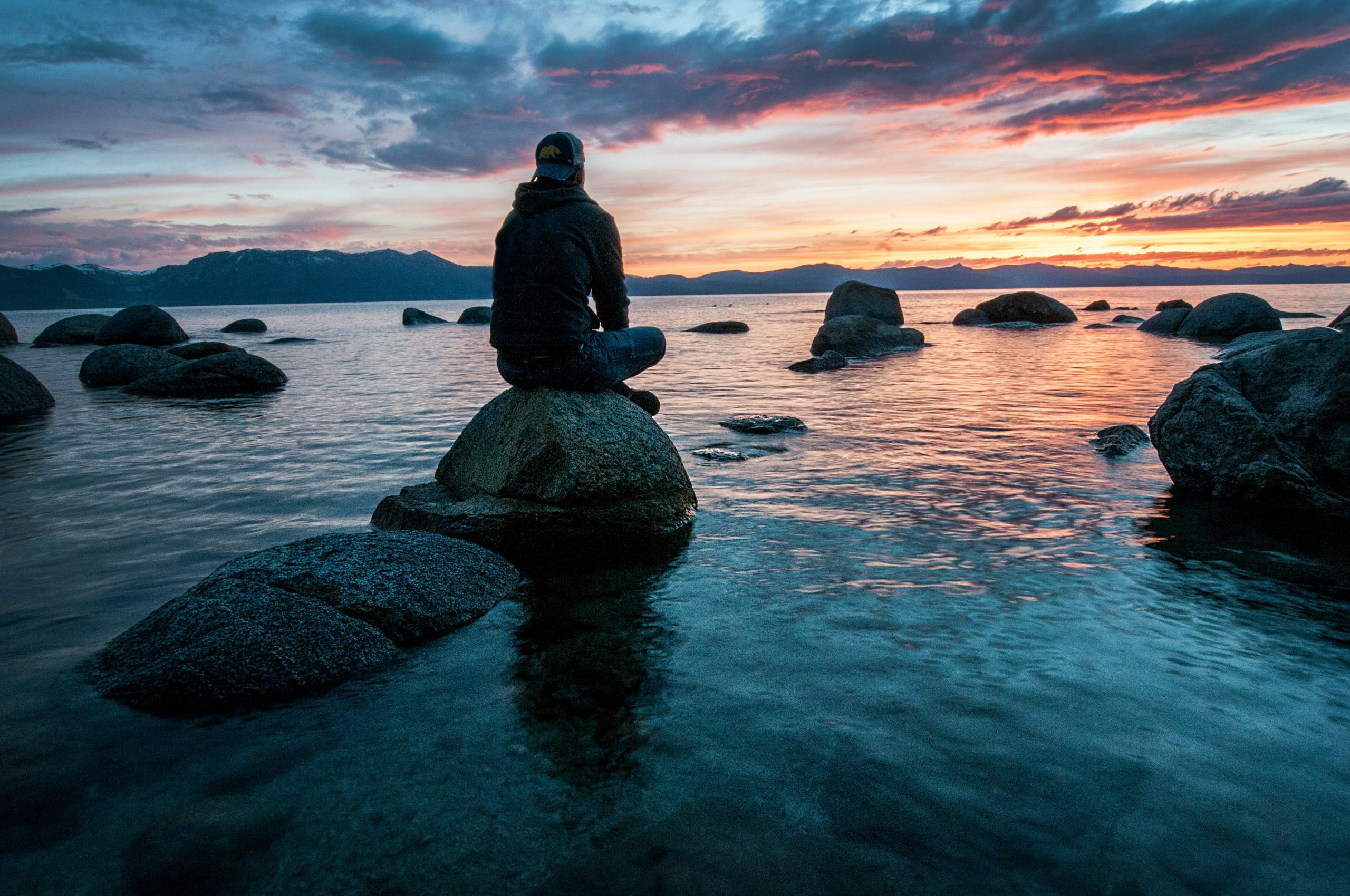
When people hear the word spirituality, they often think of religion, churches, temples, meditation, or prayer. But is spirituality limited to these practices? Or does it begin somewhere much deeper?
Before answering that question, perhaps we should ask a more fundamental one:
What is a human being?
Are we merely physical bodies whose thoughts and emotions are produced entirely by the brain? Or do we possess a dimension that goes beyond what our eyes can see?
For thousands of years, philosophers, scientists, and religious traditions have wrestled with this question. Some believe that human beings are composed of body, mind, and spirit. Others argue that consciousness is nothing more than a product of the brain. Still others believe that consciousness transcends the physical body.
This is where the discussion about spirituality truly begins.
If we accept that a human being is more than a physical body—that we possess a spirit or a non-material dimension—then an important question naturally follows:
Wouldn’t that mean every person is spiritual from birth?
If the answer is yes, then perhaps the real question is not:
“Is everyone spiritual?”
Instead, it becomes:
“How does each person experience or express their spirituality?”
A person may never attend church, meditate, or follow any religion. Yet the moment they begin asking questions such as:
Why do I exist?
What is the purpose of life?
What is right and wrong?
What happens after death?
Is there a reality beyond what we can perceive?
they have already stepped beyond the pursuit of mere physical survival. They have entered a search for meaning—a journey many people describe as spiritual.
For some, spirituality is expressed through prayer.
For others, it is meditation.
For others, philosophy.
For others still, science.
Scientists devote their lives to understanding the universe. While many may not call this spirituality, they are still pursuing truth. Likewise, philosophers, artists, and those who dedicate their lives to serving others may all be engaging with questions that reach beyond material existence, even if they never use the word spirituality.
Of course, not everyone agrees with this perspective.
Many materialists argue that consciousness is simply a function of the brain. From that viewpoint, spirituality is a psychological or cultural construct rather than an objective reality.
In contrast, many philosophical and religious traditions maintain that consciousness extends beyond the brain and that the human spirit is a fundamental aspect of our existence.
To this day, science, philosophy, and religion continue to debate these questions. None has produced a universally accepted answer.
Perhaps that is what makes the discussion so fascinating.
If human beings are nothing more than physical organisms, then spirituality becomes a personal choice.
But if human beings possess a spiritual dimension, then spirituality is not something we choose—it is something we are. The real difference would not be whether someone is spiritual, but whether they recognize, develop, or express that dimension of themselves.
Perhaps the deepest question is not:
“Is everyone spiritual?”
Perhaps it is:
“If we are born with a spiritual dimension, are we truly living in harmony with it?”
Maybe spirituality does not begin the day someone joins a religion or starts meditating.
Maybe it begins the first-time consciousness asks itself:
“Who am I?”
And perhaps, from that very moment, the spiritual journey has already begun.